Physical Therapy
Physical Therapy in Billings, MT
Targeted Physical Therapy for Improved Health and Mobility
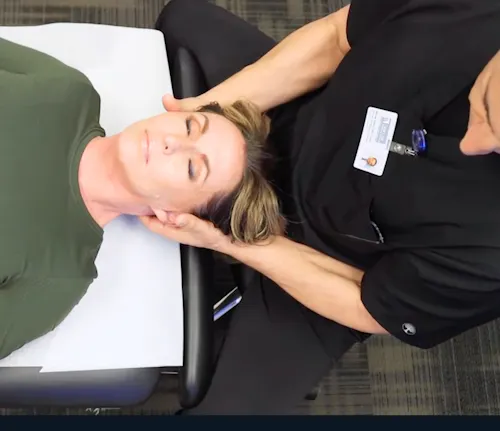
Physical therapy is a medical service focused on enhancing mobility, alleviating pain, and optimizing physical performance. This treatment involves a combination of therapeutic exercises, hands-on techniques, and advanced equipment to target specific areas of the body. Physical therapy addresses conditions such as joint pain, muscle strains, post-surgical rehabilitation, and chronic conditions like arthritis. It can also help improve movement, coordination, and overall strength for individuals recovering from injuries or managing long-term physical impairments.
This service is tailored for individuals dealing with pain, limited mobility, or a need for rehabilitation after surgery or injury. Results from physical therapy vary based on the condition being treated, but many patients notice improvements within a few sessions. Long-term results depend on consistency and adherence to the prescribed exercises. If you're looking for effective physical therapy in Billings, MT, schedule an appointment with New Gen Physical Therapy to take the first step toward better mobility and relief.
Conditions Treated
Neck Pain Treatment
Neck pain treatment encompasses a variety of therapies and interventions designed to alleviate discomfort and improve mobility in the cervical spine.
Learn MoreThoracic Pain Treatment
Treatment methods can vary, including physical therapy, medication, manual therapy, and, in some cases, surgical procedures.
Learn MoreLow Back Treatment
The most common Low Back Pain treatment involves physical therapy, medication, and sometimes surgery, depending on the severity and underlying causes.
Learn MoreBulging Disc Treatment
Nonsurgical treatments for Bulging Discs may include physical therapy, medications to relieve pain and reduce inflammation, and surgery in more severe cases to relieve spinal nerve pressure.
Learn MoreHerniated Disc Treatment
Nonsurgical treatments for Herniated Discs may include physical therapy, medications, and surgery are common treatments to relieve spinal nerve pressure.
Learn MoreScoliosis Treatment
The treatment for scoliosis varies depending on the curve's severity and the patient's age. Options include observation for mild cases, where regular monitoring is maintained to watch for any progression in the curve.
Learn MoreSpinal Stenosis Treatment
Nonsurgical treatments for Spinal Stenosis aim to relieve pain and restore function through non-surgical methods such as exercise, medications to reduce inflammation, and corticosteroid injections.
Learn MoreSciatica Treatment
Treatments for Sciatica may include physical therapy, medications to reduce inflammation and pain, and, in some instances, surgical interventions to relieve nerve compression.
Learn MoreShoulder Pain Treatment
Physical therapists focus on improving mobility and strengthening shoulder muscles to stabilize the joint and prevent future injuries.
Learn MoreFrozen Shoulder Treatment
The most common treatment involves physical therapy, medication, and sometimes corticosteroid injections to reduce pain and improve range of motion.
Learn MoreElbow Pain Treatment
Physical therapy techniques are applied to strengthen and stretch the forearm muscles, reduce tendon irritation, and improve joint function.
Learn MoreWrist Pain Treatment
The most common treatment for wrist pain is to rest, ice, compress, and elevate, as well as to use physical therapy and medications to reduce inflammation and pain.
Learn MoreHand Pain Treatment
Treatment strategies depend on the specific cause and extent of the pain but typically involve medication, physical therapy, and sometimes surgical intervention.
Learn MoreHip Pain Treatment
Depending on the underlying cause, treatment for hip discomfort typically involves physical therapy, medications, and possibly surgical interventions.
Learn MoreKnee Pain Treatment
Common treatments include physical therapy to strengthen muscles around the knee and improve flexibility, medication to reduce pain and inflammation, and sometimes injections to decrease inflammation and lubricate the knee joint.
Learn MorePlantar Fasciitis Treatment
Treatment involves rest, physical therapy, and orthotics. A physical therapist may use stretching and strengthening exercises to relieve tension and pain. Orthotic devices can help correct foot alignment and distribute pressure more evenly.
Learn MoreAbnormal Gait Correction
The treatment process typically uses a combination of physical therapy, specialized exercises, and sometimes braces or orthotics to strengthen muscles and train the body to adopt a more natural gait pattern.
Learn MoreTMJ Pain Treatment
Treatments for TMJ Pain typically involve a combination of physical therapy, dental splints, medication, and, in some cases, surgery to alleviate symptoms and improve jaw function.
Learn MoreTorticollis Treatment
The primary treatment for torticollis involves physical therapy to stretch and strengthen the neck muscles to improve posture and alignment.
Learn MoreRotator Cuff Repair Rehabilitation
The rehabilitation program typically involves several phases, starting with gentle exercises to increase mobility, followed by more intensive strengthening exercises to build muscle and reduce the risk of future injuries.
Learn MoreTotal Shoulder Replacement Rehabilitation
The total shoulder replacement rehabilitation program's primary goal of rehabilitation is to restore mobility, strength, and function to the shoulder through a structured physical therapy program.
Learn MoreACL Repair Rehabilitation
The ACL repair rehabilitation program is critical to restore knee stability, strength, and range of motion through progressive exercises in a structured physical therapy program.
Learn MoreMeniscus Repair Rehabilitation
The rehabilitation process typically involves several stages, beginning with gentle exercises to reduce swelling and improve range of motion.
Learn MoreTotal Knee Replacement Rehabilitation
The total knee replacement rehabilitation program aims to restore the knee's function by improving range of motion, strength, and overall mobility through a structured physical therapy program.
Learn MoreTotal Hip Replacement Rehabilitation
The total hip replacement rehabilitation program aims to help patients regain mobility and strength while ensuring the new hip functions correctly and safely through a structured physical therapy program.
Learn MoreLateral Epicondylitis / Tennis Elbow Treatment
Treatment typically involves a combination of rest, ice, anti-inflammatory medications, and physical therapy.
Learn MoreAnkle & Foot Pain Treatment
Treatment options typically include physical therapy, medication to reduce pain and inflammation, orthotic devices, and sometimes surgery for more severe cases.
Learn MoreDe Quervain's Tenosynovitis Treatment
Treatment typically involves a combination of rest, splinting, anti-inflammatory medications, and corticosteroid injections to reduce swelling and alleviate pain.
Learn MoreBalance Disorder Treatment
Treatment for balance disorder typically includes vestibular rehabilitation—a type of physical therapy designed to strengthen the vestibular system and improve balance.
Learn MoreVertigo/Benign Paroxysmal Positional Vertigo (BPPV) Treatment
Treatments for Vertigo/BPPV primarily focus on maneuvers and exercises such as the Epley or Semont maneuvers, designed to reposition small calcium particles in the inner ear that cause dizzy spells.
Learn MorePelvic Floor Dysfunction Treatment
Therapy aims to improve muscle function and relieve symptoms such as urinary incontinence, constipation, and pelvic pain. Treatment may include exercises to enhance muscle control, education on pelvic floor function, and lifestyle modifications.
Learn MoreBenefits of Physical Therapy:
- Reduces pain through targeted treatments.
- Improves mobility and flexibility.
- Enhances overall strength and balance.
- Promotes recovery after surgery or injury.
- Prevents further injury with personalized exercise plans.
- Helps manage chronic conditions like arthritis.
- Restores independence after strokes or other neurological conditions.
- Improves posture and body mechanics.
- Supports faster recovery for athletes.
- Encourages long-term wellness and injury prevention.

