Dry Needling
Dry Needling in Billings, MT
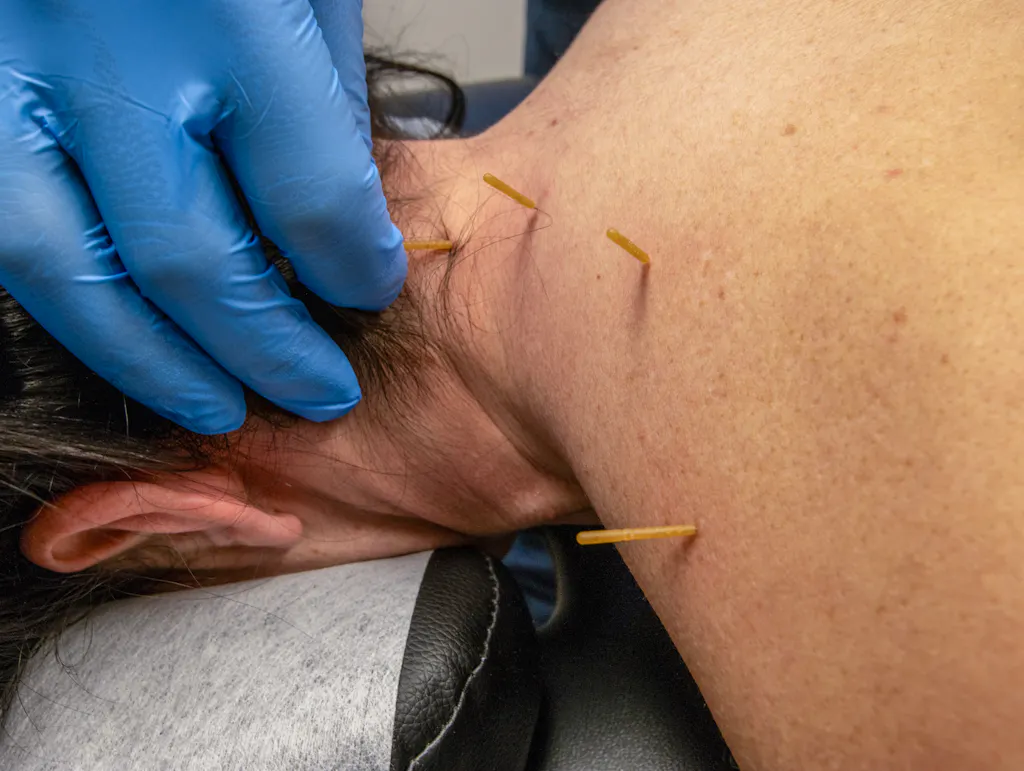
Dry Needling is a therapeutic technique where therapists use thin needles that are inserted at specific points on the body, known as trigger points. This method aims to relieve muscle pain and stiffness by releasing knots and improving blood flow. Therapists commonly use it to treat areas such as the back, neck, shoulders, and legs, relieving tension headaches, muscular strain, and myofascial pain. By targeting these precise areas, the treatment helps to deactivate trigger points and reduce nerve irritation, enhancing the body's ability to heal and recover. This technique is often integrated into broader rehabilitation programs to improve treatment outcomes and accelerate patient recovery.
Dry Needling in Billings, MT, is suitable for individuals experiencing chronic pain, muscular tension, or sports injuries. Patients often feel relief after only one session, with continued improvement following additional treatments. Benefits vary depending on an individual's condition and lifestyle, but many enjoy prolonged relief. If you're suffering from muscle pain or stiffness, consider booking a session at New Gen Physical Therapy in Billings, MT.
Conditions Treated
Neck Pain Treatment
Neck pain treatment encompasses a variety of therapies and interventions designed to alleviate discomfort and improve mobility in the cervical spine.
Learn MoreThoracic Pain Treatment
Treatment methods can vary, including physical therapy, medication, manual therapy, and, in some cases, surgical procedures.
Learn MoreLow Back Treatment
The most common Low Back Pain treatment involves physical therapy, medication, and sometimes surgery, depending on the severity and underlying causes.
Learn MoreBulging Disc Treatment
Nonsurgical treatments for Bulging Discs may include physical therapy, medications to relieve pain and reduce inflammation, and surgery in more severe cases to relieve spinal nerve pressure.
Learn MoreHerniated Disc Treatment
Nonsurgical treatments for Herniated Discs may include physical therapy, medications, and surgery are common treatments to relieve spinal nerve pressure.
Learn MoreSpinal Stenosis Treatment
Nonsurgical treatments for Spinal Stenosis aim to relieve pain and restore function through non-surgical methods such as exercise, medications to reduce inflammation, and corticosteroid injections.
Learn MoreSciatica Treatment
Treatments for Sciatica may include physical therapy, medications to reduce inflammation and pain, and, in some instances, surgical interventions to relieve nerve compression.
Learn MoreShoulder Pain Treatment
Physical therapists focus on improving mobility and strengthening shoulder muscles to stabilize the joint and prevent future injuries.
Learn MoreFrozen Shoulder Treatment
The most common treatment involves physical therapy, medication, and sometimes corticosteroid injections to reduce pain and improve range of motion.
Learn MoreElbow Pain Treatment
Physical therapy techniques are applied to strengthen and stretch the forearm muscles, reduce tendon irritation, and improve joint function.
Learn MoreWrist Pain Treatment
The most common treatment for wrist pain is to rest, ice, compress, and elevate, as well as to use physical therapy and medications to reduce inflammation and pain.
Learn MoreHand Pain Treatment
Treatment strategies depend on the specific cause and extent of the pain but typically involve medication, physical therapy, and sometimes surgical intervention.
Learn MoreHip Pain Treatment
Depending on the underlying cause, treatment for hip discomfort typically involves physical therapy, medications, and possibly surgical interventions.
Learn MoreKnee Pain Treatment
Common treatments include physical therapy to strengthen muscles around the knee and improve flexibility, medication to reduce pain and inflammation, and sometimes injections to decrease inflammation and lubricate the knee joint.
Learn MorePlantar Fasciitis Treatment
Treatment involves rest, physical therapy, and orthotics. A physical therapist may use stretching and strengthening exercises to relieve tension and pain. Orthotic devices can help correct foot alignment and distribute pressure more evenly.
Learn MoreAnkle & Foot Pain Treatment
Treatment options typically include physical therapy, medication to reduce pain and inflammation, orthotic devices, and sometimes surgery for more severe cases.
Learn MoreLateral Epicondylitis / Tennis Elbow Treatment
Treatment typically involves a combination of rest, ice, anti-inflammatory medications, and physical therapy.
Learn MoreDe Quervain's Tenosynovitis Treatment
Treatment typically involves a combination of rest, splinting, anti-inflammatory medications, and corticosteroid injections to reduce swelling and alleviate pain.
Learn MoreBenefits of Dry Needling:
- Reduces muscle tension
- Alleviates pain
- Enhances range of motion
- Decreases muscle spasms
- Improves blood flow
- Helps in injury recovery
- Non-invasive
- It has minimal side effects
- Offers quick treatment sessions
- Can complement other therapies

